

On June 2, 2026, preclinical study results regarding SBK001—a novel multi-target candidate drug developed by Chengdu Shibeikang Biomedical Technology Co., Ltd. (hereinafter referred to as "Shibeikang") for protecting against acute lung injury—were officially selected for presentation at the 2026 European Respiratory Society Congress. The accepted study is titled SBK001: A Novel Multi-Target Candidate Drug for Protecting Against Acute Lung Injury – Preclinical Pharmacodynamic Evidence from Rodent Models. Findings will be presented during the Congress, offering an opportunity for face-to-face academic exchanges and technical discussions among global experts in respiratory medicine.
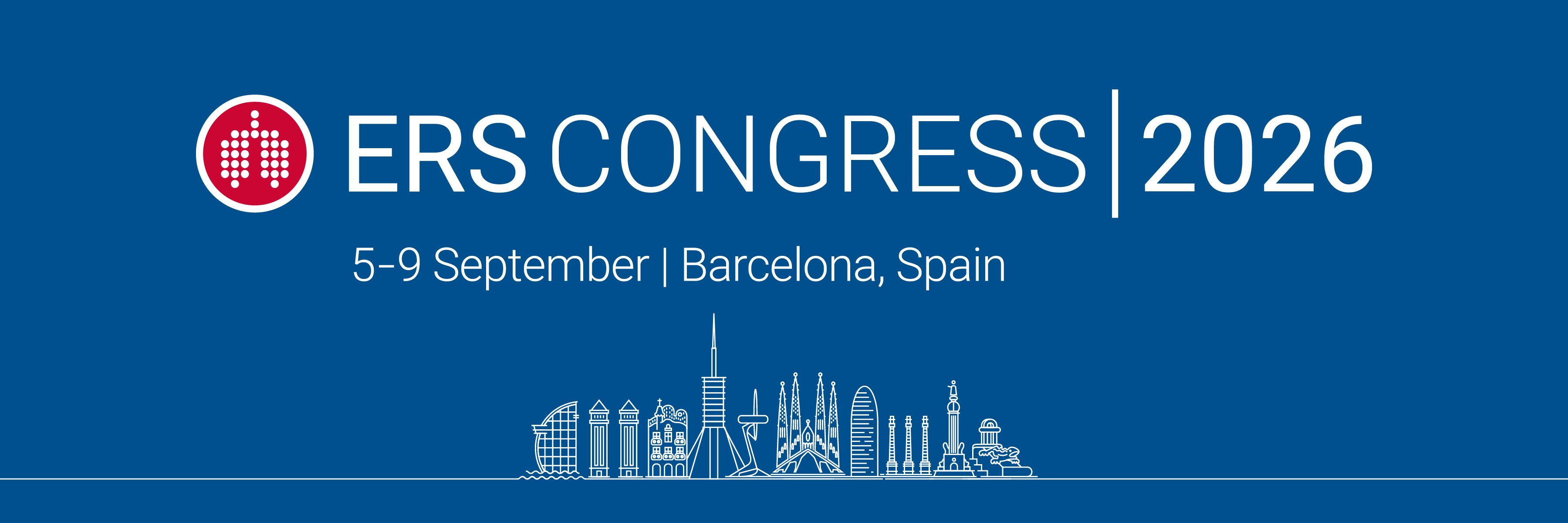
ERS Congress: A Premier Global Platform for Respiratory Medicine
The ERS Congress 2026 will be held in Barcelona, Spain, from September 5 to 9 under the theme "United for Better Breathing - Partnership Between Patients, Clinicians and Researchers". The event is led by Professor Marc Miravitlles, current President of the ERS, and is expected to bring together over 20,000 respiratory clinicians, basic researchers, and drug discovery professionals from more than 100 countries. As a premier global platform, the Congress serves to showcase cutting-edge diagnostic and therapeutic approaches for pulmonary diseases, as well as latest developments in innovative candidate drugs, making it a central hub for knowledge exchange and industry collaboration within the respiratory field.
SBK001: A Multi‑Target Innovative Drug to Address Treatment Gaps in ALI
Acute lung injury (ALI) represents an early stage of acute respiratory distress syndrome (ARDS), carrying a significant mortality rate ranging from 40% to 60%. Unfortunately, current standard-of-care medications act on only singular pathological pathways, limiting treatment efficacy. To address this pressing clinical need, Shibeikang has developed SBK001, a multi-target candidate drug exhibiting three core pharmacological activities: antioxidant effects, suppression of inflammatory mediator release, and promotion of alveolar surfactant synthesis. Preclinical efficacy evaluation was conducted using two established ALI animal models—oleic acid-induced mouse model and paraquat-induced rat model—with a commonly used clinical drug as the positive control. Results demonstrated clear dose-dependent therapeutic effects of SBK001, which were significantly superior to those of the control drug. At identical doses, SBK001 outperformed the control drug by mitigating pulmonary pathological damage and notably reducing mortality rates among test animals. These compelling data provide a robust scientific foundation for the future clinical development of SBK001.
 WeChat official account
© 2025版权所有 成都施贝康生物医药科技有限公司 蜀ICP备19024419号-1 -川公网安备 51012402000471号