

On March 12, 2026, the latest research findings on SBK007, a next-generation anti-allergy drug independently developed by Chengdu Shibeikang Biomedical Technology Co., Ltd. (“SBK”), were accepted for presentation at the EAACI Congress 2026. The study, titled SBK007: A Novel Oral H1 Antihistamine with Rapid Onset (30 min): Preclinical Pharmacodynamics in Acute Urticaria, will be presented at the congress, providing an opportunity for in-person academic exchange with international experts.
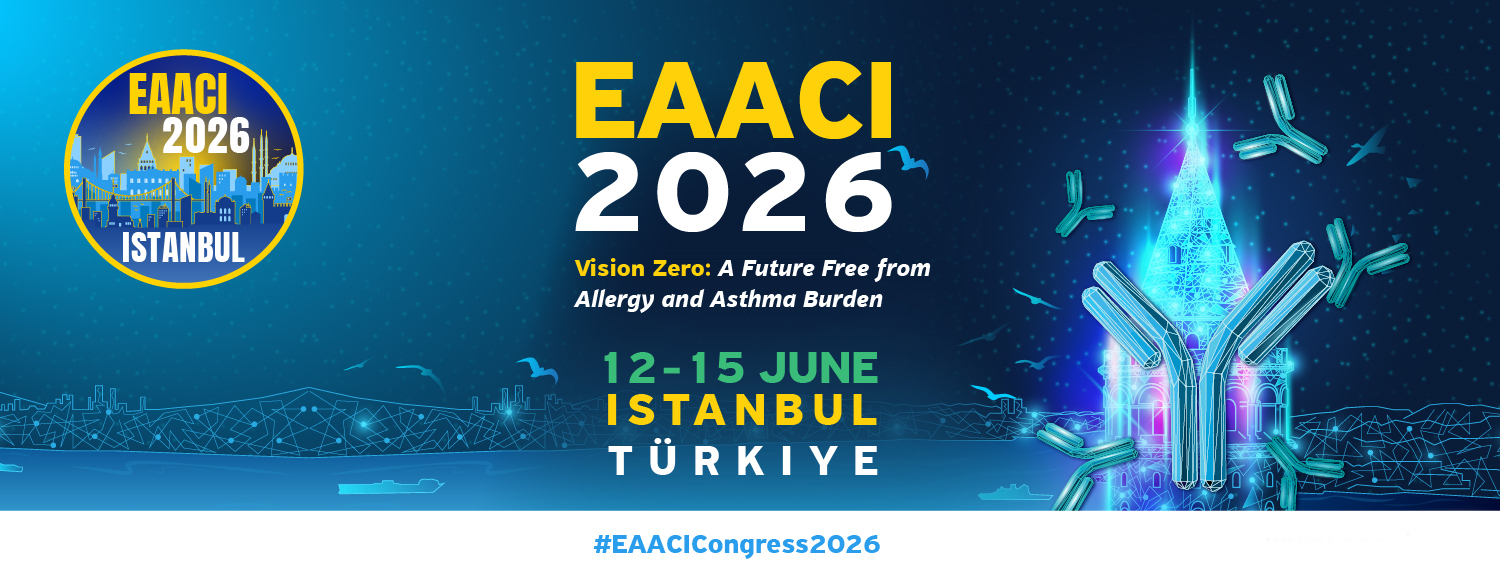
EAACI 2026: A Leading Global Conference in Allergy and Immunology
Organized by the European Academy of Allergy and Clinical Immunology, the EAACI Annual Congress is one of the most influential international events in the field of allergy and clinical immunology. The meeting brings together leading researchers, clinicians, and pharmaceutical scientists from around the world to discuss the latest advances in allergy diagnosis, treatment, and drug development. Abstracts accepted for presentation undergo a rigorous peer-review process, with selection based on scientific quality, innovation, and relevance. As a result, the congress serves as an important global platform for sharing research findings and advancing the field of allergy science.
SBK007: Targeting Rapid Symptom Relief in Acute Urticaria
Acute urticaria is a common allergic condition in which rapid relief of itching and wheal formation is a primary treatment goal. Many currently available antihistamines have limitations, including delayed onset or suboptimal efficacy, which may not fully address the need for immediate symptom control in severe or urgent cases. SBK007 has undergone systematic preclinical pharmacodynamic evaluation targeting key pathological mechanisms involved in acute urticaria. With a rapid onset of action and strong antihistamine activity, SBK007 has the potential to reduce dosing requirements, improve safety, and provide a more convenient and effective oral treatment option for patients with acute urticaria—particularly in severe or acute episodes. These findings provide important scientific support for future clinical development and translation.
 WeChat official account
© 2025版权所有 成都施贝康生物医药科技有限公司 蜀ICP备19024419号-1 -川公网安备 51012402000471号